


Pressurization Skid
Why Choose Us
Quality Control
The company has established and perfected a management system that includes quality record control, process quality control, product improvement, customer service response and system improvement.
Professional Team
We have high-quality technical engineers and production technicians, excellent team, so that the core competitiveness of the enterprise is constantly enhanced.
Quality Service
Adhering to the business philosophy of "integrity and rigor, technical expertise, quality assurance, quality assurance, efficient service", we provide our customers with advanced products and quality service.
Qualification
The company has a number of qualification certificates and administrative licenses, such as pressure piping components manufacturing license, to ensure the legitimacy and standardization of the company's business.
A booster pry is a tool that can be used to convert a greater force into a lesser force through the principle of leverage. It usually consists of a pry bar and a pivot point fixed at the other end for prying up or moving heavy objects.
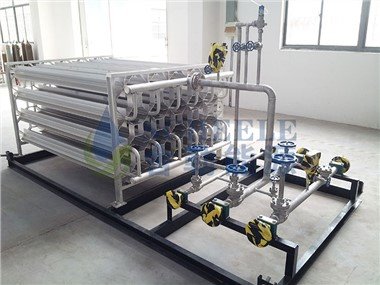
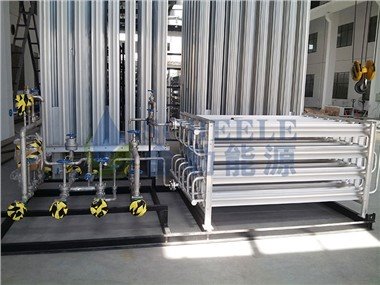
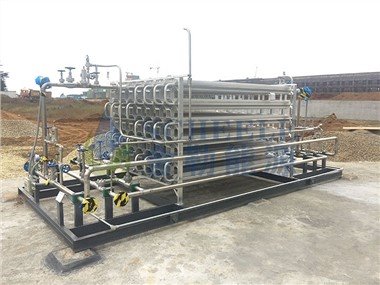
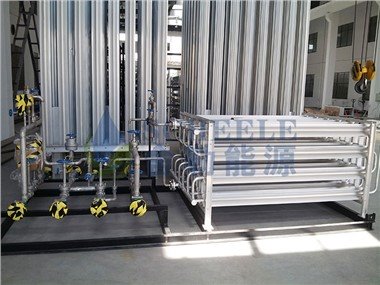
Advantages of Pressurized Skids
Improved operational efficiency
By regulating the pressure of gases and liquids, pressurization units can increase the efficiency of various processes. This increases productivity, reduces downtime and saves money.
01
Improved product quality
Maintaining the correct pressure and flow of gases and liquids is critical to ensuring product quality. Pressurization devices help keep these parameters within required limits, ensuring consistent product quality.
02
Improved safety
Uncontrolled pressure in piping and equipment can be extremely dangerous. Pressurizers help regulate pressure, reducing the risk of accidents and ensuring a safe working environment.
03
Reduced maintenance costs
Pressurizers reduce maintenance costs by preventing pressure damage to pipes and equipment. In the long run, this can lead to significant cost savings.
04
Easy installation and operation
Pressurization units are designed to be easy to install and operate. This means they can be quickly integrated into existing systems, reducing downtime and operational disruption.
05
How Pressurization Skid Work
A pressurizing skid is an important part of a variety of industries because it helps to maintain the proper pressure levels of gases needed for a range of processes. It works by using specialized equipment to compress gas and deliver it to the necessary areas through a complex system of piping.
A booster slide consists of several components, including a compressor, regulator, and control panel. The compressor is used to compress the gas, while the regulator helps maintain the proper pressure level. The control panel provides the operator with a range of options to control pressure levels and monitor the system.
Booster slides are used in a range of industries, including oil and gas, chemical and aerospace, where maintaining the proper air pressure is critical to the success of the process. For example, in oil and gas exploration, pressurizing slides help maintain pressure levels in oil wells, which is essential for efficient oil extraction. In the chemical industry, pressurization slides are used to enable chemical reactions by maintaining the required pressure levels. In the aerospace industry, pressurization slides are used to maintain the correct air pressure for pilots and passengers.
Pressurization devices are essential for maintaining the proper pressure levels of gases required for a variety of industrial processes. Its function is critical to ensuring the success of a range of industry operations.
The Main Function of a Pressurization Skid
The primary function of a booster skid is to provide pressurized air or gas to the system or equipment that requires it. The skid typically consists of several components, including a compressor, storage tank, filter and valve, which work together to ensure a steady and reliable flow of pressurized air or gas.
Booster skids have a wide range of applications in various industries such as oil and gas, chemical and manufacturing. They are commonly used in pressurized pipelines, storage tanks, reactors and other equipment that require a constant flow of gas or air.
One of the main advantages of pressurized skids is their ability to increase the efficiency and productivity of industrial processes. By providing consistent pressure levels, these skids can help reduce production downtime and prevent equipment failure.
In addition to their functional benefits, pressurization skid also offer environmental advantages. By ensuring that equipment operates at optimal capacity, these skids can help reduce energy consumption and greenhouse gas emissions.
Booster skids play a vital role in many industrial processes, and their reliable and efficient operation is essential to maintaining productivity and sustainability.
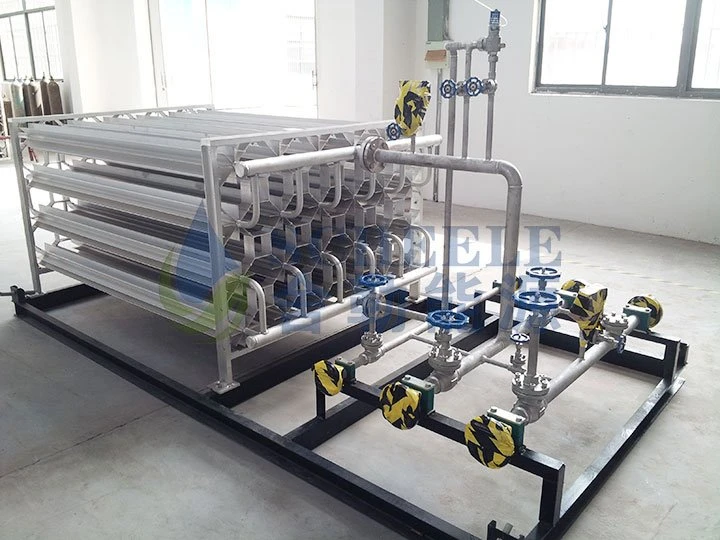
Application Areas for Pressurization Skid
Oil and gas industry: Pressurization skid are used to pressurize gas injection and crude oil pipelines, as well as to enhance oil recovery.
Chemical and petrochemical industry
In this industry, pressurization skid are used to manufacture, process and handle various chemicals. They are also used for steam generation and pressure relief valve testing.
Food and Beverage Industry
Booster skids are used for carbonating soft drinks, beer and other beverages.
Pharmaceutical industry
These skids are used for various processes involved in the production of pressurized drugs, such as mixing and grinding.
Water treatment industry
Pressurized skids are used for water treatment applications such as reverse osmosis, ultrafiltration and nanofiltration.
automotive industry
These skids are used for carbonating soft drinks, beer and other beverages.
Automotive industry
These skids are used for automotive painting to pressurize the paint supply and for fuel injection systems to maintain proper pressure.
Types of Pressurization Skid
Top boot lever
A top boot sled, also known as a top boot lever, is widely used for mounting and dismounting mechanical parts. Its design helps to balance the weight and reduce the pressure on the stressed area, thus avoiding damage to the mechanical parts. One of its main features is the slender needle-like tip.
Drum Lever
A drum lever is a large pressurized pry bar commonly used in the transportation, sewage and mining industries. It is mainly used for opening hydraulic cylinders, removing wheels and other mechanical parts. It is designed to be very strong and can withstand a lot of pressure and weight.
Hand hammer pressurized pry bar
The hand hammer pressurized pry bar is commonly used in engineering and construction. This type of pry bar has a rough design and usually consists of two foot pedals and a pivot point. The leverage principle of hand hammer booster sled can increase the strength of a person by several times to lift or move heavy objects easily.
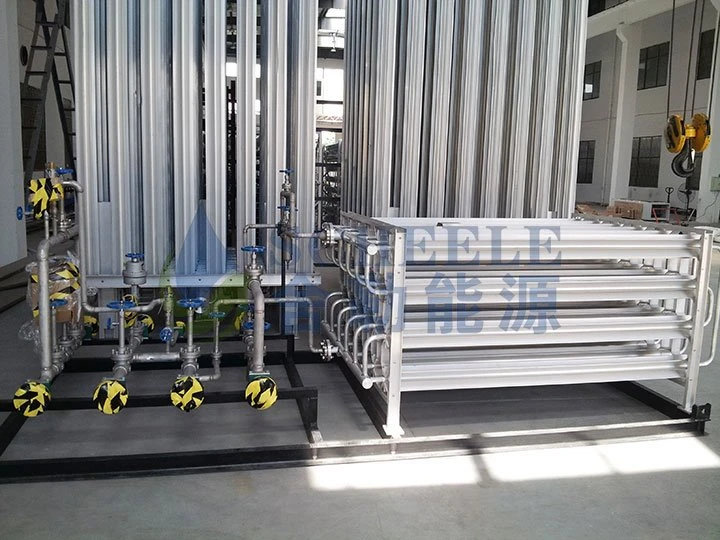
A booster skid is a commonly used piece of industrial equipment whose main function is to increase pressure to make various industrial production tasks easier to accomplish. Booster skids are used in a wide range of applications in industrial production, such as lifting objects, tightening bolts, shearing metal, and more.
The benefits of using pressurized skids are obvious, it can improve the efficiency of the work, so that the workers more easily to complete a variety of tasks. By using pressurization skid, the labor intensity of workers can be reduced, reducing the risk of physical injury. Booster skids can also reduce the incidence of production failures and accidents, increasing productivity and quality consistency.
The role of the booster skid is not only reflected in industrial production, but also can be used in other areas, such as truck drivers use booster skid unloading, home improvement personnel use booster skid to open the fasteners, installation of a variety of furniture and so on. Whether in industrial production or other areas, pressurization skid have irreplaceable role and value.
What Are the Main Components of the Pressurization Skid
Lever arm
Lever arm is the main part of the pressurized skid, usually made of alloy steel material, it is the main force to pry up the object. Usually the length of the lever arm will be adjusted according to the use of the situation, too long or too short will affect the effect of prying, need to be adjusted according to the actual situation.
Hook head
Hook head is a key component on the pressurized pry and an important supplement to the lever arm. Through the hook head will target object or pole object fixed, increase the support strength when prying, enhance the prying effect.
Pry head
Pry head is the main appearance of the pressurized pry parts, but also commonly used pry tool. Pry head part generally have blunt head and pointed head, respectively can be used to open different types of objects. Pry head length also has short, medium, long three different specifications, different length for different prying scenes.
Positioning card
The positioning card is an auxiliary part of the pressurized pry, usually used to adjust the prying position or fix the position of the target object when prying, in order to prevent the object from sliding or moving. In some cases, the positioning card can also be used to enhance the prying force.
Why Is a Pressurization Skid a Piece of Special Equipment?
Special equipment refers to equipment that may pose a danger to people, property or the environment during use. According to the relevant provisions of the equipment belonging to the special equipment need to obtain the appropriate production license and use permit, and in accordance with relevant regulations and standards for the design, manufacture, installation, maintenance and inspection work.
In use, the pressurized skid needs to generate high pressure, there is a certain degree of danger when operating. Therefore, the pressurized skid belongs to the category of special equipment, need to be used before the strict inspection and qualified, and in accordance with the relevant provisions of the use of operation.
The use of pressurized skid need to meet the national, industry and local regulations and provisions, mainly including the following aspects:
1. Equipment production and sales need to obtain a production license and sales license;
2. Before the use of equipment needs to be installed and commissioned and tested;
3. The use of equipment needs to be operated in accordance with the operating procedures to ensure that the equipment is safe and reliable;
4. Regular inspection, maintenance and repair to ensure that the equipment for long-term effective operation;
5. Problems arising in the process of use need to be dealt with in a timely manner to ensure that the equipment does not cause harm to persons and property.

How to Maintain the Pressurization Skid to Extend the Service Life
Regular inspection and maintenance
• Check fasteners: Often check whether the fasteners of each part of the booster skid are loose, especially the bolts between the three shells of the supercharger, to ensure that there is no oil leakage, air leakage phenomenon.
• Check the oil system: Check the amount and quality of oil, make sure that the oil meets the viscosity and level required by the manufacturer, and regularly replace the oil and oil filter. Oil filters must be used from regular manufacturers to avoid damage to the supercharger.
Operation and maintenance precautions
• Cold start: When starting from cold, do not drive at high speed immediately. It should be idled for about one minute first, so that the oil circulation can be established, so that the supercharger floating bearings can be fully lubricated before starting to drive.
• Turn off the engine after high-speed running: Do not turn off the engine immediately after high-speed driving, it should idle for at least one minute before turning off the engine, in order to prevent the sudden interruption of the oil supply resulting in damage to the supercharger floating bearings.
Cleaning and maintenance
• Clean the air filter: Strengthen the maintenance of the air filter to ensure its normal working condition. If the filter element is damaged or the sealing ring is aging and failing, it should be replaced in time to prevent gray sand from invading the supercharger, resulting in unstable speed, increased noise and increased wear of bearings, oil seals and air seal components.
• Clean the supercharger: Clean the supercharger regularly, scrape off the tiny dust deposited on the throat of the pressurizer, clean the scale in the water jacket of the intermediate shell, the gas sealing channel and the oil cavity, remove the carbon inside the turbine, nozzle ring and turbine shell, and check the damage of each gas seal and oil seal, and replace them if necessary.
Long-term non-use of the treatment
If the booster skid is not used for a long time, the power plug should be removed and regular maintenance should be carried out to prevent the aging of parts and corrosive liquids or gases from eroding the internal equipment and causing equipment failure.
Our Factory
Wuxi Scheele Energy Technology Co., Ltd. is located in Wuxi in the beautiful Taihu Lake, Wuxi cities in the economically developed Yangtze River Delta.
Wuxi Scheele Energy Technology Co., Ltd. is a gas and industrial gas equipment research, development, manufacturing, and engineering solution that provides comprehensive science and technology enterprises. Our Company has established and perfected quality records control, process quality control, product improvement, customer service response, and system improvements, including the management system, and has highly qualified technical engineers and production technicians, excellent team, so that the core competitiveness of enterprises constantly enhanced.
Wuxi Scheele Energy Technology Co., Ltd. adhering to the "Strict Integrity, Technical Expertise, Quality Assurance, Quality Assurance, Efficient Service" business philosophy, to provide our customers with advanced products and quality service.
Wuxi Scheele Energy Technology Co., Ltd. has been working closely with many gas companies.
Certificate


FAQ
We're professional pressurization skid manufacturers and suppliers in China, specialized in providing high quality custom products. We warmly welcome you to buy the best pressurization skid for sale here from our factory. For price consultation, contact us.
Pressurization Skid, Storage Tank PBU Skid, Storage Tank Pressurization Skid